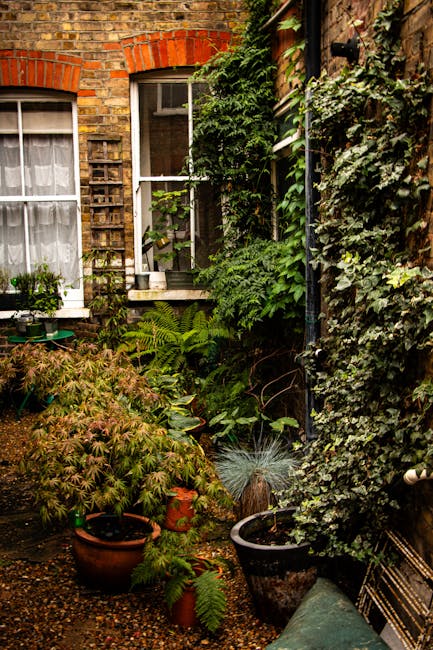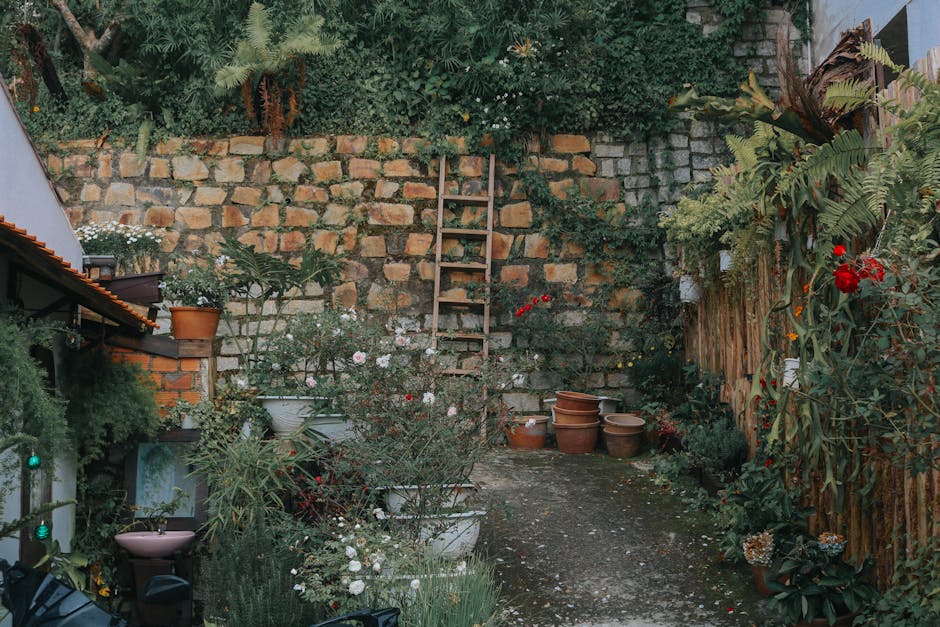
IG1 Small Garden Gardeners for Terraced Homes
Small outdoor spaces can be brilliant, but they can also be a bit awkward. If you live in a terraced home in IG1, you already know the pattern: a narrow plot, a shaded corner, a path that steals space, and a garden that looks smaller the moment you step outside with a watering can. That is exactly where IG1 small garden gardeners for terraced homes make a real difference. They know how to turn tight, lived-in spaces into gardens that feel calmer, tidier, and easier to enjoy day to day.
This guide explains what that service involves, why it matters in terraced properties, and how to decide what kind of help will actually suit your space. You will also find practical steps, common mistakes, a useful checklist, and a real-world example that shows what can change when the work is planned properly. Nothing fluffy. Just the stuff that helps.
Why IG1 small garden gardeners for terraced homes Matters
Terraced gardens are rarely generous. They are often long and narrow, sometimes overlooked by neighbouring windows, and frequently split between practical features rather than design: bins, steps, sheds, washing lines, and whatever has gradually accumulated over the years. To be fair, that is normal. Most gardens are not magazine spreads. They are working spaces.
In IG1, a good small garden gardener is not just someone who cuts grass and trims edges. They need to understand how compact urban gardens behave across the seasons, how light moves across a narrow plot, and how to make a small space feel intentional rather than crowded. That might mean choosing lower-maintenance planting, opening up sight lines, improving access from the house, or simply restoring order so the garden feels usable again.
Why does that matter so much in terraced homes? Because the garden often has to do more than one job. It might need to be a place for children to play, somewhere to sit with tea on a dry evening, or a pocket of greenery that softens the feel of a busy street. A cramped garden can become a source of frustration very quickly. A well-managed one adds daily value. Small difference, big mood shift.
There is also the practical side. Overgrown hedging, unstable borders, and poor drainage can make a small garden harder to maintain and more expensive to sort out later. Early intervention keeps things manageable. Honestly, that is half the battle.
For local homeowners who want regular support rather than a one-off tidy-up, it helps to look at broader services such as garden maintenance and services overview pages so you can see how ongoing care compares with one-time improvement work.
How IG1 small garden gardeners for terraced homes Works
The process usually starts with a simple assessment of the space. A skilled gardener will look at the layout, the amount of sun and shade, the condition of the lawn or paving, the health of plants and shrubs, and any access issues. In a terraced garden, these details matter more than people expect. A metre of extra space can be the difference between a cramped path and a garden you can actually use.
From there, the work is usually grouped into practical tasks. These may include mowing, hedge trimming, border reshaping, leaf removal, weeding, pruning, clearance, planting, and light landscaping. In a small garden, the order of those tasks matters. If the wrong thing is done first, the space can feel smaller or messier, not better.
A good approach is often phased. First comes the reset: remove clutter, clear dead growth, and create breathing room. Then comes structure: define edges, improve access, and balance hard surfaces with planting. Last comes maintenance: deciding how often the space needs care so it stays under control. It sounds simple, but in practice, it saves a lot of future hassle.
Some terraced gardens only need tidy weekly or fortnightly upkeep. Others need a one-off overhaul before they can be maintained efficiently. If a garden has been neglected for a while, a fuller tidy may be needed before regular upkeep begins. In those situations, garden clearance can be the sensible first step.
And yes, a small space can still take time. Sometimes more time than a larger garden, because every awkward corner is on display. There is nowhere to hide a wonky cut in a tiny yard. Slightly annoying, but true.
Key Benefits and Practical Advantages
The obvious benefit is that your garden looks better. But that is only the starting point. With terraced homes, the real value comes from making the space easier to live with.
- Better use of limited space: Careful pruning, border shaping, and layout choices stop the garden feeling cluttered.
- Lower maintenance pressure: Regular upkeep prevents the kind of runaway growth that takes over in a few weeks of mild weather.
- Improved light and visibility: Cutting back heavy growth can make even a shady garden feel brighter and calmer.
- Safer movement through the space: Clear paths and stable edges reduce trip hazards, especially in wet weather.
- More usable outdoor living: A clean, structured garden is far more likely to be used, not just looked at through the back door.
- Better plant health: Managed borders, sensible watering, and seasonal pruning help plants cope with urban conditions.
There is also a mental benefit people tend to underestimate. A small garden that feels chaotic can make the whole home feel unfinished. Once it is sorted, you notice the difference at odd moments: opening the curtains in the morning, coming home after work, stepping outside for five quiet minutes. Those little moments add up.
If your terraced garden includes fencing, a raised deck, or a tired patio, wider improvements may be worth thinking about too. The team at landscaping and decking services can be relevant when a compact outdoor area needs both tidying and better structure.
Who This Is For and When It Makes Sense
This kind of service suits a lot of people, not just keen gardeners. In fact, it is often most useful for homeowners who do not have the time, tools, or energy to keep a compact garden under control. Terraced homes in IG1 often suit a practical, low-fuss approach, especially where the garden is narrow, partly shaded, or enclosed by high fencing.
It makes sense if any of these sound familiar:
- Your garden is too small to manage comfortably with basic DIY tools.
- The space has become overgrown or cluttered.
- You want the garden to look good without spending every weekend on it.
- You are preparing to sell, rent out, or refresh the property.
- You need a better layout for seating, planting, or access.
- You have a lawn, hedge, or border that keeps getting out of hand.
It is also a sensible option for people who are moving into a terraced home and want to start with a clean slate. That first tidy-up matters. A lot. You can set the whole tone of the outdoor space with one well-planned visit.
Not every garden needs a complete redesign, though. Sometimes the smartest move is simply to get the basics under control and then maintain them properly. If that sounds like your situation, ongoing lawn mowing or hedge care may be enough to keep the garden looking neat without major changes.
Step-by-Step Guidance
Here is a practical way to approach a small terraced garden without overcomplicating it.
1. Start with a clear purpose
Ask yourself what the garden needs to do. Relaxing space? Play area? Low-maintenance greenery? Somewhere to dry clothes without it looking messy? If the purpose is unclear, the design becomes muddled very quickly.
2. Remove the obvious clutter
Begin with anything that stops the space being used properly. Broken pots, dead plants, unused furniture, old timber, tangled supports, and general garden debris all eat up visual and physical space. Clearing these first gives you room to think.
3. Check structure and access
In terraced homes, access matters. Can you move easily from the house to the back of the garden? Are there narrow paths? Are gates, steps, or borders making the garden feel awkward? Fixing movement through the space often improves the whole feel instantly.
4. Deal with the living material
Trim hedges, cut back overgrowth, prune weak or overcrowded branches, and tidy borders. If trees are shading the whole garden or leaning into the space, specialist help may be needed. In that case, tree lopping and removal can be part of a larger plan, though only where it is genuinely appropriate.
5. Bring the garden back into balance
This is where a small garden starts to feel deliberate. Keep the planting simple, use clean lines, and avoid too many competing textures. A tiny garden can look very busy very fast, and not in a good way.
6. Set a maintenance rhythm
Once the space is under control, decide what happens next. Weekly, fortnightly, or seasonal visits may be enough depending on the layout and planting. Maintenance is what stops a one-off tidy from disappearing into the weeds again. Happens every time if you let it.
Expert Tips for Better Results
In small terraced gardens, the smartest improvements are often the quietest ones. You do not need to cram in loads of features to make a space work. In fact, that usually backfires.
- Use fewer plant types, but use them well. Repeating the same shapes and textures can make a small garden feel calmer.
- Keep edges crisp. A clean line between lawn, border, paving, or decking makes the garden look more intentional.
- Think vertically, not just horizontally. Trellises, climbers, and trained planting can add interest without taking much ground space.
- Choose plants that suit the light. Shade-loving plants in a shadowy plot will always behave better than sun-lovers struggling in the wrong spot.
- Make maintenance realistic. If you will not prune weekly, do not choose a layout that demands it. Be honest with yourself here.
A small bit of practical insight: the best terraced gardens are usually the ones that feel easy to step into. Not perfect, just easy. Easy to water, easy to mow, easy to sweep, easy to enjoy. That is the sweet spot.
If you want a clearer picture of the company behind the service, you can also look at about us for a better sense of their approach and working style.
Common Mistakes to Avoid
Most problems with small gardens do not come from dramatic errors. They come from a lot of small ones. Quiet little compromises. Then one day the whole space feels messy.
- Choosing too many features: A compact garden cannot comfortably hold everything. Seating, storage, planting, and hard landscaping all need breathing room.
- Ignoring maintenance from day one: A beautiful layout that is impossible to maintain is a short-lived win.
- Letting hedges and climbers take over: Fast growth can swallow light and space in a matter of weeks.
- Using oversized furniture: Big furniture in a tiny garden makes the space feel even smaller.
- Forgetting drainage or damp issues: Terraced gardens can suffer from poor drainage, especially in low spots or where surfaces have been patched over time.
- Cutting too aggressively without a plan: Hard pruning can shock plants or leave the space looking bare and exposed.
A classic mistake is treating a small garden like a larger suburban one. It is not the same. Every choice is more visible, and every bad proportion stands out. The good news? Once you understand that, the fixes become much simpler.
Tools, Resources and Recommendations
You do not need an enormous toolkit to keep a small terraced garden in shape, but you do need the right basics. A few well-chosen tools are worth far more than a shed full of rusty ones.
Useful tools for small-garden upkeep:
- compact lawn mower or strimmer for tight spaces
- hand shears for precise hedge and border trimming
- sharp secateurs for pruning and deadheading
- sturdy rake and garden bags for quick clear-ups
- watering can or hose with controlled reach for small beds
- gloves, kneeler, and a brush for tidy finishing touches
For homeowners who would rather not manage the whole thing themselves, the most practical route is often a mix of routine care and occasional specialist help. Ongoing garden maintenance keeps the basics in order, while targeted jobs like hedge trimming or lawn mowing help manage the parts of the garden that change fastest.
It is also sensible to think about waste handling and how much material the garden will generate. If you are clearing back a lot of overgrowth or old features, recycling and sustainability can be part of the conversation, especially when you want the job done cleanly and responsibly.
Law, Compliance, Standards, or Best Practice
For most small garden work, the main concerns are best practice, safety, and property responsibility rather than complex legal issues. Even so, a professional gardener should work carefully and avoid unnecessary risk. That includes protecting paving, managing tools safely, and being cautious around trees, fences, and shared boundaries.
In terraced homes, there can also be practical neighbour considerations. Tall hedges, overhanging branches, and boundary growth can affect light, access, and shared upkeep. The exact responsibilities depend on property boundaries and agreements, so it is sensible to approach these issues carefully rather than assuming. A little clarity goes a long way.
Where tree work is involved, it is wise to treat larger pruning or removal as a specialist task rather than a casual tidy-up. Poor cuts can damage the tree, and unsafe work can put people and property at risk. The safer approach is to deal with it properly or not at all.
Professional standards also matter. Clear communication, sensible scheduling, tidy working practices, and appropriate insurance are all signs of a service that takes itself seriously. If you want reassurance on that front, insurance and safety is worth reviewing, along with the health and safety policy.
Options, Methods, or Comparison Table
Different terraced gardens need different approaches. The trick is choosing the method that fits the space, not the other way round.
| Approach | Best for | What it solves | Trade-off |
|---|---|---|---|
| Routine maintenance | Gardens already in fair condition | Keeps growth controlled and the space tidy | Does not fix deeper layout problems |
| One-off tidy and reset | Overgrown or neglected gardens | Restores order and creates a fresh starting point | Needs follow-up care to stay effective |
| Light landscaping | Spaces with awkward layout or poor flow | Improves access, structure, and usability | Usually costs more than simple maintenance |
| Decking or hard-surface improvement | Gardens needing a clear seating or activity zone | Creates a usable area with less upkeep than lawn | Less planting space if overdone |
As a rule, if the garden already has decent bones, maintenance might be enough. If it feels cramped or awkward every time you go out there, a more structural change may be better. A tiny garden can absolutely be transformed. It just needs the right job, not the fanciest one.
Case Study or Real-World Example
A typical terraced garden in IG1 might start off with a narrow lawn, a tired fence line, a few uneven borders, and a collection of pots that had good intentions years ago. One side may be shaded for most of the day, while the other gets sharp afternoon light. The owner is usually not short on taste; they are short on time.
In a realistic tidy-up scenario, the first visit focuses on clearing dead plants, removing clutter, cutting back hedge growth, and shaping the borders. That alone can make the garden feel wider. Then the lawn is improved or reduced depending on how practical it is to keep. In some cases, a smaller lawn edge and more defined border or paved seating area can make far better use of the plot.
What changes most is not just the appearance, but the habit. Once the garden is easy to step into and easy to maintain, the homeowner starts using it more. Morning coffee outside. Quick deadheading after work. A sweep after rain. Little things. But they matter.
And yes, sometimes the biggest win is simply no longer dreading the back door. That is a real result, honestly.
Practical Checklist
Use this checklist before booking work or starting a refresh of your small terraced garden.
- Decide what you want the garden to do most often.
- Identify the most urgent issues: overgrowth, clutter, poor access, or tired planting.
- Check whether you need clearance, maintenance, or a layout rethink.
- Measure the key areas so you understand what actually fits.
- Note any shaded, damp, or awkward corners.
- Think about how much ongoing upkeep you can realistically handle.
- Consider where waste, tools, and storage will go.
- Review whether hedges, trees, or fences need special attention.
- Set a maintenance schedule once the space is improved.
- Choose a service that explains its process clearly and works safely.
If you want to understand next steps more broadly, the pricing and quotes page can help you think about how different types of work are usually approached, even if your own garden only needs a modest amount of attention.
Conclusion
IG1 small garden gardeners for terraced homes are valuable because they work with the realities of compact urban outdoor spaces, not against them. They help turn narrow, awkward, or overgrown gardens into places that feel cleaner, more useful, and much easier to maintain. That is the real benefit: not just a neater garden, but a garden that fits your life.
The best results come from clear priorities, sensible maintenance, and an honest plan for the space. Start small if you need to. Tidy the structure first. Then build from there. The garden does not need to be perfect to become a proper part of the home.
If you are weighing up your options and want a straightforward next step, take a look at the service details and reach out when you are ready.
Get a free quote today and see how much you can save.
There is something quietly satisfying about walking into a small garden and feeling it work properly for the first time. That feeling is worth chasing.
Frequently Asked Questions
What do IG1 small garden gardeners for terraced homes usually do?
They normally handle compact garden tasks such as mowing, hedge trimming, border tidy-ups, clearance, pruning, and light layout improvement. In terraced homes, the focus is often on making tight spaces feel more usable and easier to maintain.
How often should a small terraced garden be maintained?
It depends on the planting, lawn condition, and how much the space grows through the season. Some gardens need weekly attention in spring and summer, while others are fine with fortnightly or seasonal visits. The key is to set a rhythm that prevents the garden from getting out of hand.
Is a one-off tidy-up enough for a small garden?
Sometimes, yes. If the garden is mostly sound but just messy, a one-off reset can make a big difference. If the space has a lawn, fast-growing hedges, or ongoing leaf fall, regular maintenance is usually the smarter long-term choice.
Can a very small terraced garden still look good?
Absolutely. Small gardens often look better than large ones when they are well planned. Clean edges, simple planting, and sensible use of space can make a compact garden feel calm and inviting rather than cramped.
What is the difference between garden clearance and garden maintenance?
Garden clearance is the bigger reset: removing overgrowth, waste, and clutter. Garden maintenance is the ongoing upkeep that keeps the space neat after the reset. They often work best together.
Do I need landscaping for a small terraced garden?
Not always. If the space is simply untidy, maintenance may be enough. But if the layout is awkward, access is poor, or the garden feels unusable, some landscaping or structural improvement can be worth considering.
What are the biggest mistakes people make with small gardens?
The most common mistakes are overcrowding, choosing plants that need too much care, ignoring drainage, and letting hedges or climbers grow unchecked. In small spaces, those issues show up quickly.
How can I make my terraced garden look bigger?
Use fewer visual distractions, keep the lines clean, and avoid bulky furniture or too many competing plant types. Vertical planting and tidy borders can also create a stronger sense of space.
Are there safety concerns with small garden work?
Yes, especially where tools, slopes, uneven paving, or larger trees are involved. Good practice means working carefully, using the right equipment, and getting help for anything that looks risky or technically awkward.
Can a gardener help if my hedge blocks light into the house?
Yes, hedge management can help reduce excess shading and open up the garden. It is important to trim thoughtfully rather than overcutting, because hedges need to stay healthy as well as tidy.
How do I know whether to choose mowing, trimming, or clearance first?
If the garden is simply overgrown and messy, clearance usually comes first. If the main issue is regular growth, mowing and trimming are often enough. A proper assessment of the space makes the order much clearer.
What should I ask before booking a small garden service?
Ask what is included, how the work will be approached, whether waste is removed, and how ongoing maintenance is handled. It is also sensible to ask about safety and insurance, especially if the garden has trees, height changes, or tight access.
Where can I learn more about the company and its standards?
You can review the company background on the about us page, then check practical details such as services overview, insurance and safety, and recycling and sustainability if those are important to you.